
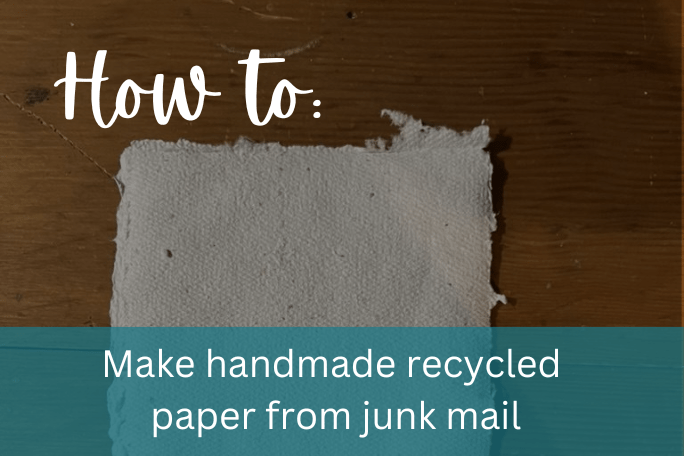
Making your own handmade paper from recycled materials is not only sustainable but also a fun and creative process. With a few basic tools and some discarded paper, you can create unique, textured sheets that are perfect for journaling, artwork, or gift wrapping. Once you have all your materials set up, the process becomes simple and rewarding. Let’s dive into how you can make your own recycled paper at home.
What You Need
Mold and Deckle
A mold and deckle are essential tools for papermaking. The mold is a frame with a screen attached, and the deckle is another frame that sits on top to help shape the edges of the paper.
How to Make Your Own Mold and Deckle:
- Picture Frame: Use an old picture frame or build one out of scrap wood.
- Window Screen or Tightly Woven Mesh: Stretch a piece of window screen or plastic mesh (such as those found in produce packaging) across the frame.
- Scissors & Staple Gun: Trim the screen to fit and staple it tightly to the frame. This creates the mold.
- Deckle: A second picture frame, without the screen, acts as the deckle and helps create uniform edges.
Couching Sheets
Couching sheets are fabric pieces used to separate sheets of wet paper so they don’t stick together.
- What Can You Use? Old sweaters, t-shirts, felt, or any absorbent, non-textured fabric.
Additional Materials
- Sponge: Used to press out excess water.
- Paper for Recycling: Junk mail, misprints, scrap paper—anything that isn’t glossy.
- Large Tub or Water Basin: For soaking and forming the paper.
- Blender or Immersion Blender: A dedicated blender for breaking down paper fibers into pulp.
- Optional: Sizing (to improve paper’s durability and prevent ink from bleeding).
- Calcium Carbonate (for acid-free and archival paper): Helps neutralize acidity and preserve the paper over time.
Ensuring Archival and Acid-Free Paper
If you want your handmade paper to be archival and acid-free, consider the following:
- Use Acid-Free Paper Scraps: Avoid newspapers or low-quality paper that may contain acids.
- Use Distilled or Filtered Water: Tap water can sometimes introduce unwanted acidity.
- Add a Buffering Agent: A small amount of calcium carbonate can help neutralize acidity and extend the paper’s lifespan.
- Use approximately 1 teaspoon of calcium carbonate per quart of pulp mixture.
- Check Your Sizing: Ensure that any sizing agents used (like gelatin or PVA) do not introduce acidity.
- Store Properly: Keep your handmade paper in a dry, cool place to prevent degradation over time.
Where to Buy Calcium Carbonate
Calcium carbonate is widely available and can be purchased at:
- Art supply stores (look for paper conservation or bookbinding supplies).
- Online retailers like Amazon, Blick Art Materials, or specialty papermaking shops.
- Health stores (sold as a dietary supplement, but make sure it’s pure calcium carbonate).
- Ceramics suppliers (used as a glaze ingredient).
Understanding Sizing
Sizing is an optional but useful step in papermaking. Without sizing, ink and paint may bleed through the paper.
- Internal Sizing: Added to the pulp before forming the sheets.
- External Sizing: Brushed onto the finished sheets after drying.
Types of Sizing and How Much to Use:
- Gelatin Sizing (Not Vegan): Dissolve 1 teaspoon of gelatin per cup of warm water and add to the pulp.
- Arrowroot Sizing: Mix 1 teaspoon of arrowroot powder per cup of water and apply externally.
- PVA Sizing: Dilute 1 part PVA glue with 3 parts water and brush onto finished sheets.
How to Make Recycled Paper
- Prepare the Pulp
- Tear paper into small pieces and soak in water for several hours or overnight.
- Blend the soaked paper with water until it becomes a smooth pulp.
- Pour the pulp into a large tub filled with water, stirring to distribute it evenly.
- If using internal sizing, add it to the pulp now and mix well.
- If making archival paper, stir in 1 teaspoon of calcium carbonate per quart of pulp.
- Form the Paper
- Place the mold (screen side up) on top of the deckle and dip it into the pulp mixture.
- Hold the mold and deckle horizontally, moving it gently side to side to distribute the pulp evenly.
- Lift the mold and let excess water drain.
- Remove the deckle, leaving a sheet of wet pulp on the screen.
- Couching the Paper
- Flip the mold onto a couching sheet, pressing down gently so the pulp transfers.
- Use a sponge to press out excess water.
- Lift the mold carefully, leaving the paper behind.
- Place another couching sheet on top and repeat for additional sheets.
- Drying the Paper
- Press the stack under a heavy object or use a press to remove more water.
- Let the sheets air dry for 24-48 hours in a warm, dry place.
- If drying indoors, use a fan to speed up the process and prevent mold.
- Once fully dry, gently peel the paper from the couching sheets.
- Finishing Touches
- If using external sizing, brush it onto the dried paper and allow it to dry completely.
- Press the finished sheets under a heavy book to flatten them if needed.
Storing and Reusing Paper Pulp
- How Long Can You Keep Pulp in Water? Pulp can sit in water for a few days, but it may start to break down and develop mold if left too long.
- Can You Dry Pulp for Later Use? Yes! Spread the pulp out thinly on a screen or cloth and let it dry completely. To reuse, simply rehydrate with water and blend again.
Conclusion
Creating handmade recycled paper is an enjoyable, sustainable craft that allows you to repurpose old materials into something new and beautiful. With a little patience and creativity, you can experiment with textures, colors, and even add natural elements like dried flowers or leaves. By following these steps, you can also ensure that your paper is archival and acid-free, making it perfect for long-term use in artwork or writing. Enjoy crafting with your handmade paper and share your creations with the world!
What sustainable art practices have you tried? Share your experiences in the comments!
Shop EcoBound Art Supplies:
Discover our handmade, eco-friendly art supplies designed to inspire your creativity while caring for the planet. Click below to explore the shop!







 EcoBound Earth Blog
Leave a comment