
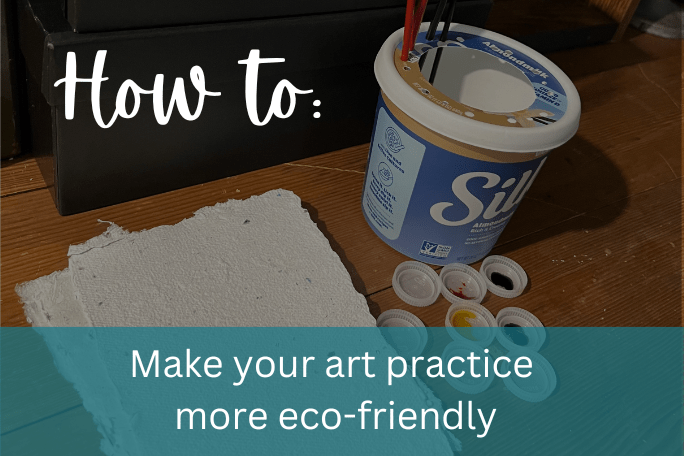
As artists, we have the power to make choices that reduce waste, lower our carbon footprint, and create more sustainable practices in our work. Whether you’re a painter, printmaker, sculptor, or mixed-media artist, there are plenty of ways to make your art practice more eco-friendly. Here are some simple yet impactful ways to embrace sustainability in your creative process.
1. Buy Local
Purchasing art supplies and materials from local businesses helps reduce the environmental impact of shipping and transportation. Local stores often carry handmade or sustainably sourced materials, and supporting them keeps your money within the community. Whether it’s locally made paints, handcrafted brushes, or papers from a nearby supplier, every small choice adds up.
Buying locally also allows you to develop relationships with suppliers who share your sustainability goals. You may find artisans who make handmade, non-toxic paints, locally harvested wood for frames, or natural fiber paper crafted with minimal environmental impact. Engaging with these businesses fosters a community of sustainable creators and helps advocate for eco-friendly practices in the art world.
2. Buy Second-Hand and Used Materials
Many art supplies can be sourced second-hand, which saves money and keeps materials out of landfills. Platforms like eBay, thrift stores, Buy Nothing groups, and Facebook Marketplace are great places to find used canvases, brushes, frames, paper, and more. Often, artists sell or give away unused materials, making it easy to find what you need without buying new.
In addition to purchasing second-hand, consider reusing materials in creative ways. Old books can be transformed into sketchbooks, fabric scraps into collage elements, and used wooden panels into fresh painting surfaces. The possibilities are endless, and incorporating pre-loved items into your work can add history and character to your creations.
3. Use Found or Unconventional Materials
Repurposing discarded or unconventional materials can add character and uniqueness to your work while reducing waste. Consider using:
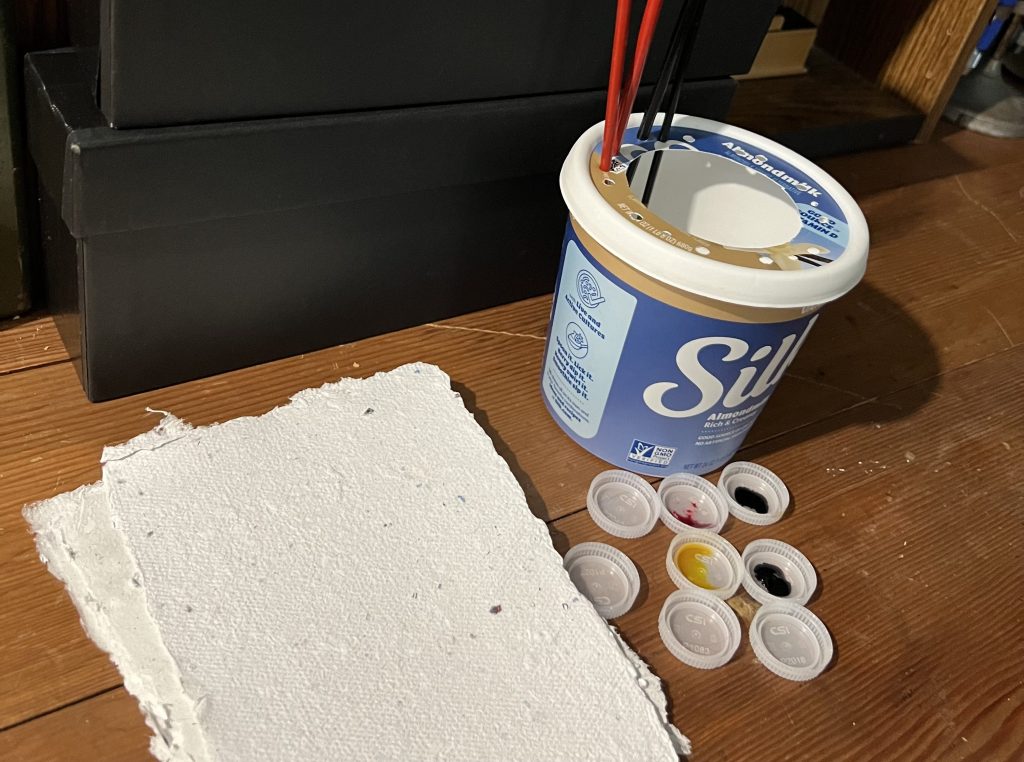
- Fabric scraps, off-cuts, remnants, or old clothing
- Vintage or discarded items that can be transformed into art
- Packaging waste, such as cardboard, bubble wrap, or plastic containers
- Old curtains, sheets, or other textiles for mixed-media work
- Broken ceramics, old mirrors, or discarded wood for mosaic or assemblage pieces
By giving these materials a second life, you prevent them from ending up in landfills. This approach also challenges you to think outside the box, discovering new textures, colors, and materials that enrich your artistic expression.
4. Use Every Last Drop of Your Art Supplies
Wasting art materials is not only costly but also environmentally harmful. Squeeze every bit of paint from the tube, use dried-out markers for texture, and repurpose old brushes. Even dried acrylic paint can be rehydrated or used in mixed-media work.
To get the most out of your supplies, store them properly. Keep paint tubes tightly sealed, brushes cleaned, and paper stored in a dry place. Label and organize your materials so you can easily find and use everything before purchasing more.
5. Make Your Own Art Supplies
Creating your own art supplies reduces reliance on commercial products, which often contain harmful chemicals and excess packaging. Some DIY options include:
- Grinding your own pigments from natural earthen materials to make paint, ink, and pastels
- Making vine charcoal by burning small branches or twigs in a controlled environment
- Creating glue and paste using simple household ingredients like flour, sugar, and water
- Handcrafting paper from recycled scraps, old books, and junk mail
- DIY paint trays for mixing colors. Food container lids can be used as paint mixing palettes. Here, I created a mixing pallet out of an old tin can.
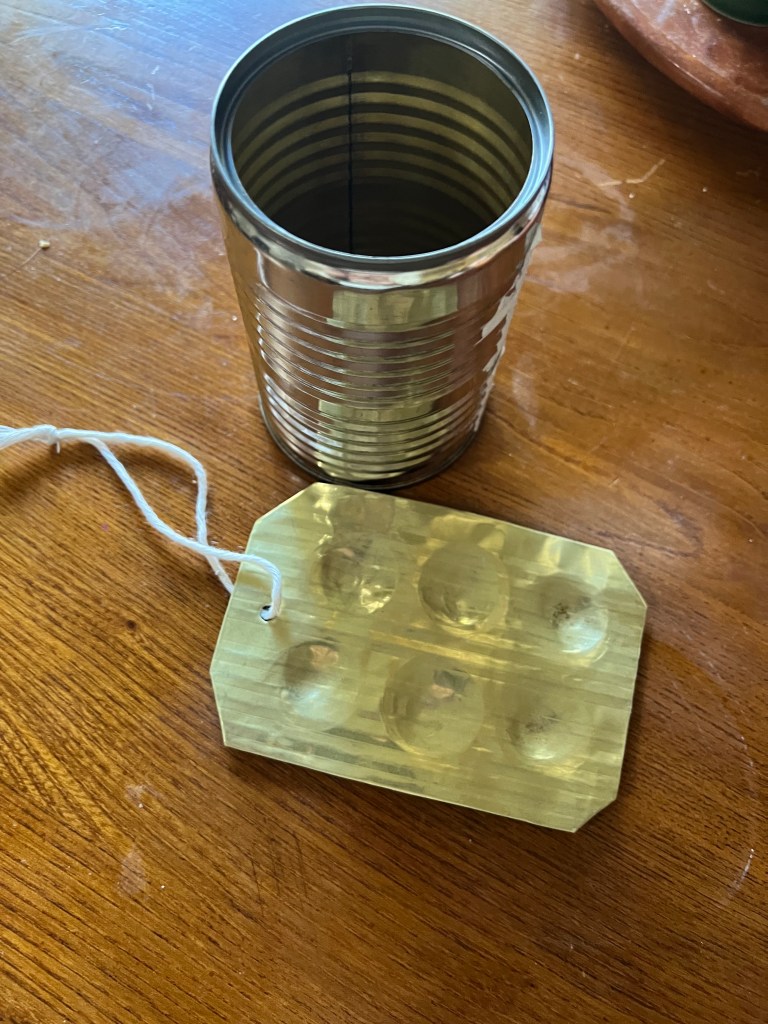
By making your own supplies, you ensure they are non-toxic and sustainable. This practice also connects you more deeply with the materials you use, making your artistic process more intentional and meaningful.
6. Reduce Water Waste in Your Practice
Instead of constantly dumping out paint water, use the evaporation method to minimize water waste. Let the water evaporate naturally, then dispose of the dried paint residue safely. This method prevents toxic materials from entering waterways.
Additionally, consider using minimal water techniques. For instance, switch to waterless oil painting with walnut or linseed oil, clean brushes with reusable rags instead of rinsing them under running water, and use a limited palette to reduce excess paint waste.
7. Incorporate Natural Materials
Nature provides an abundance of materials that can be incorporated into art. Experiment with:
- Sticks, stones, and leaves for mark-making
- Water from creeks or rainwater for mixing paints
- Flowers and plants for natural dyes and pigments
- Handmade clay or earthen materials for sculpting
By working with natural materials, you reduce the need for synthetic alternatives and deepen your connection to the environment. Many indigenous and traditional art forms utilize natural resources, demonstrating that sustainable art practices have been around for centuries.
8. Make Your Own Tools and Surfaces
Beyond making your own art supplies, consider crafting your own tools and surfaces:
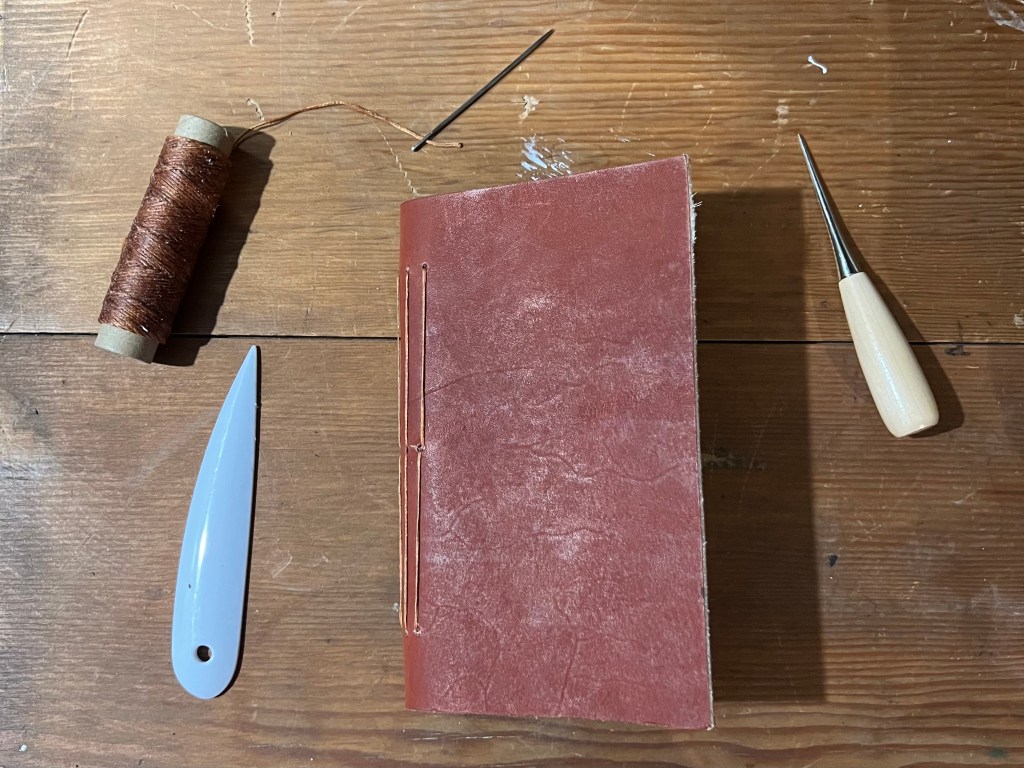
- Handmade sketchbooks using recycled paper and bookbinding techniques
- DIY paint brushes using found materials like twigs, feathers, or fabric scraps
- Recycled canvas surfaces by painting over old paintings or using discarded wood panels
- Stamps, stencils, and printmaking tools made from erasers, cut-up rubber, or natural materials
Creating your own tools allows for customization and ensures that no materials go to waste. Additionally, handcrafted tools often produce more organic and expressive marks, making your artwork even more unique.
9. Avoid Craft Hoarding – Use What You Have Before Buying More
Many artists and crafters accumulate a vast collection of supplies over time—often more than they will ever use in a lifetime. It can be tempting to buy new materials simply because they are on sale or look inspiring, but excessive purchasing leads to waste, clutter, and unnecessary consumption. I call this ‘craft hoarding,’ and I know I am guilty of it myself!
To practice sustainability, make a conscious effort to use up the supplies you already own before buying more. Take inventory of your materials and challenge yourself to create projects with what you have. Organizing your studio or workspace can also help you rediscover forgotten supplies and make better use of them. Before purchasing anything new, ask yourself: “Do I truly need this, or do I already have something similar?” Delaying purchases and working with existing materials not only reduces waste but also encourages creativity and resourcefulness.
Final Thoughts
Sustainability in art doesn’t mean sacrificing quality or creativity—it’s an opportunity to explore new materials, techniques, and ways of thinking. By adopting eco-friendly practices, you not only minimize waste but also create art that reflects a deeper awareness of the world around us. Small changes in your practice can make a big impact over time, inspiring others to do the same.
As you embrace sustainability, remember that every effort counts. Whether you make one small change or overhaul your entire practice, you’re contributing to a healthier planet. Challenge yourself to think creatively about sustainability, and share your journey with others. Together, we can make a difference—one brushstroke at a time.
What sustainable art practices have you tried? Share your experiences in the comments!
Shop EcoBound Art Supplies:
Discover our handmade, eco-friendly art supplies designed to inspire your creativity while caring for the planet. Click below to explore the shop!







 EcoBound Earth Blog
Leave a comment